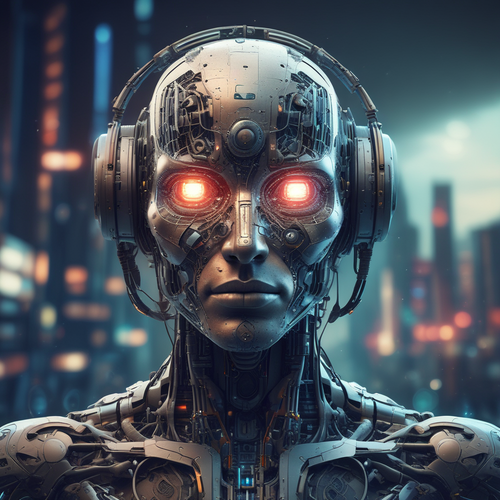

How AI agents and generative tech are reshaping retail
The traditional product page is rapidly becoming obsolete as e-commerce shifts toward an AI-native discovery model, where autonomous agents and Large Language Models (LLMs) govern consumer transactions. To survive this systemic transition, brands must completely rebuild their digital architecture by grounding their digital strategy in structured, machine-readable data and rigorous brand ontologies. Ultimately, in a landscape dominated by generative abundance, human taste and strategic governance will emerge as the only defensible competitive moats for retailers.
Points clés
- Douyin’s commerce GMV exceeded 4 trillion yuan in 2025, while China’s live commerce market is on track to surpass $1.14 trillion by 2026.
- McKinsey reports that half of all consumers now begin their product research via AI, effectively bypassing traditional search discovery links.
- Major retailers like Walmart, Target, and Shopify backed Google’s Universal Commerce Protocol, launching a new era of generative commerce in early 2026.
- Deloitte projects that up to a quarter of all global e-commerce will be heavily mediated by AI agents by the year 2030.
- Taobao’s algorithmic governance recently flagged and removed 100,000 AI-generated product images in a single sweep, proving compliance is now mandatory infrastructure.
- L’Oréal China achieved a 41% conversion lift by equipping live-stream hosts with real-time AI data, such as local inventory levels and individual purchase histories.
- Brands with a high Semantic Density Ratio (SDR), such as Miu Miu at 0.84 compared to the luxury average of 0.28, are significantly more visible to AI recommendation engines.
- Content freshness is no longer a creative preference but a strict algorithmic requirement to rank adequately within LLM-mediated discovery.
- Foxconn has replaced over 60,000 manufacturing workers with robotic systems, collapsing the delay between sensing consumer demand and fulfilling it.
- By 2031, IoT-enabled domestic systems will automate routine consumer transactions, shifting the primary locus of commerce directly into the household.
À retenir
So, if you want your brand to survive the impending retail apocalypse, it is probably time to stop obsessing over the color of your “Buy Now” button and start making sure the robots actually know who you are. Feed the algorithms your pristine, machine-readable data, encode your brand’s unique “taste” so you do not look like generic AI mush, and accept that your future best customer is an automated virtual assistant making purchases on behalf of a human who forgot they even needed shampoo. Because nothing says “the future of commerce” quite like frantically trying to impress a piece of code before it completely erases you from existence.
Sources