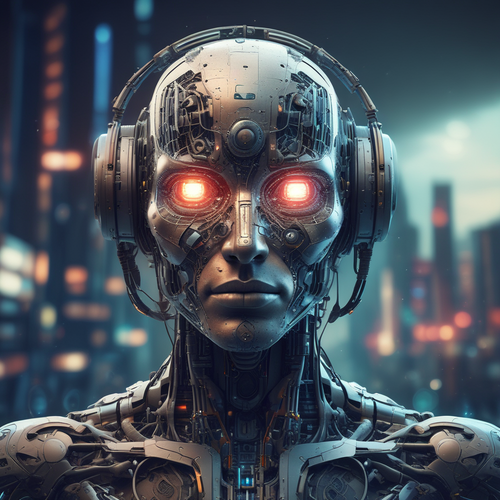

Cloud architects: embracing the cognitive future
The role of cloud architecture is undergoing a fundamental transformation, shifting from managing infrastructure complexity to enabling cognitive ecosystems. The rise of autonomous AI agents necessitates a paradigm shift, requiring architects to design systems that are dynamic, adaptive, and capable of real-time decision-making. This evolution demands new strategic considerations, including enhanced observability, dynamic control, and intent-based architecture, to ensure systems remain scalable, trustworthy, and aligned with organizational values.
Points clés
- Jesper Lowgren, Chief Enterprise Architect at DXC Technology, highlights the evolving role of cloud architecture.
- Cloud architecture traditionally focused on infrastructure management, scalability, elasticity, cost-efficiency, and performance.
- Autonomous AI agents represent a significant transformation, making independent decisions, interpreting context, and acting autonomously.
- Cloud infrastructure must now support inherently dynamic, responsive, and adaptive systems.
- Key transformations include dynamic decision-making, emergent interactions, and real-time adaptive governance.
- Essential architectural realities for autonomous agents include earned autonomy, simulation and testing, triggered governance, complete traceability, and composable control structures.
- Practical steps for transformation involve establishing semantic and ontological foundations, enhancing observability and traceability, implementing adaptive governance models, embedding simulation into development lifecycles, and facilitating human-agent coexistence.
- The future of cloud architecture is cognitive, defined by intentionality, responsibility, and intelligent collaboration.
- This article was published on June 27, 2025.
- Architecture & Governance Magazine is a publication of Iasa Global.
À retenir
So, you thought being a cloud architect was all about servers and scaling, did you? Well, buckle up, buttercup, because now you’re basically a digital psychologist for AI agents. You’ll be teaching them manners, making sure they play nice, and even giving them a timeout when they get too autonomous. And if you thought debugging was hard before, just wait until you’re trying to figure out why an AI decided to reconfigure the entire network based on its “feelings.” Good luck with that! But hey, at least you’ll be shaping the future, one cognitive, self-aware system at a time.
Sources